
Fueling a young athlete through the season comes down to steady, balanced meals, snacks timed around practice, and enough fluids every day, not a special pre-game meal. A private chef makes that consistency realistic for a busy family by cooking fresh in your kitchen around your athlete's schedule, tastes and any guidance from their pediatrician or sports dietitian.
A season asks a lot of a young athlete. Early practices, late games, weekend tournaments and a full school day leave little room for a sit-down dinner, and the drive-through often fills the gap. The good news is that young athletes rarely need anything exotic. They need regular, satisfying food, eaten often enough to keep up with growth, school and sport. The hard part is getting it on the table day after day.
What a young athlete's plate needs
Every athlete is different, and the right amounts depend on age, size, sport and training load. The general building blocks are the same for most active kids and teens:
- Carbohydrates for energy. Whole grains, potatoes, rice, pasta, fruit and beans fuel practice and help kids stay sharp in class.
- Protein spread through the day. Eggs, yogurt, fish, chicken, lean meats, beans and tofu support growing, active bodies. Spreading protein across meals and snacks tends to work better than one large portion at dinner.
- Healthy fats. Olive oil, nuts and seeds where allergies allow, avocado and salmon add lasting energy and flavor.
- Colorful produce. Fruits and vegetables bring vitamins, minerals and fiber, and make the plate more interesting to eat.
- Calcium and iron. Dairy or fortified alternatives, leafy greens, beans and lean red meat matter during the growth years.
- Fluids. Water through the school day and around practice, with more in heat and humidity.
Restricting food groups or chasing a number on the scale is not the goal for a growing athlete. If you have concerns about weight, growth, energy or a medical condition, start with your pediatrician, who can refer you to a sports dietitian.
Timing food around practice and games
When a young athlete eats can matter as much as what they eat. A simple rhythm works for most families:
- 2–3 hours before: A balanced meal: a grain or potato, a protein and a vegetable, such as chicken with rice and roasted carrots.
- 30–60 minutes before: A light, easy snack: a banana, a slice of toast with honey, or a few crackers.
- During long sessions: Water, plus fruit or a simple snack during tournaments with long breaks.
- Within an hour after: Protein and carbohydrates together: yogurt with fruit, a turkey wrap, or chocolate milk if dairy works for your child.
- That evening: A full dinner with protein, a starch, vegetables and something your athlete actually looks forward to.
Some kids feel unwell with food in their stomach before they play. That is common; smaller, simpler snacks earlier usually help. Your athlete's own experience is the best guide.
Why consistency beats the pre-game meal
The pasta dinner the night before a big game gets the attention, but the weeks before it matter more. An athlete who eats well most days, recovers between sessions and drinks enough fluid will usually feel better on game day than one who eats perfectly once. That is where most families struggle: not knowing what to cook, but finding the time to cook it on the nights practice runs late.
How a private chef helps a sports family
Our chefs have cooked for professional athletes, including MLB teams and NHL players. Young athletes get the same thoughtful approach, scaled to a growing body and a family schedule.
Menus built around the season
During your consultation, we ask about your athlete's sport, practice and game schedule, favorite foods, the foods they will not touch, and any allergies or guidance from their doctor. Your chef plans menus around that calendar: heartier meals before tournament weekends, quick recovery options on late practice nights, and dishes the whole family enjoys rather than a separate athlete menu.
Cooked fresh in your kitchen
Your dedicated chef shops, cooks in your home, stores everything clearly so your athlete can find a good snack after practice without asking, and resets the kitchen before leaving. You set how often your chef cooks, and you can change it as the season, school calendar and travel schedule change.
Dietitian support when you want it
For athletes with higher training loads, allergies or a medical condition, one of our registered dietitians can help shape the plan, and your chef cooks it. We work alongside your pediatrician and never replace their guidance. We do not recommend supplements for young athletes; if one comes up, that conversation belongs with your child's doctor.
Food kids actually eat
The best plan is the one your athlete eats. Your chef learns which dishes disappear and which come back untouched, and adjusts. See the kind of variety we cook on our sample menu.
A sample game-day rhythm
- Breakfast: Scrambled eggs, whole-grain toast and berries.
- School lunch: A grain bowl with chicken, roasted vegetables and a yogurt sauce, packed with an ice pack to keep it cold.
- After school, before the game: A banana and a small handful of pretzels.
- After the game: Chocolate milk or a smoothie on the drive home.
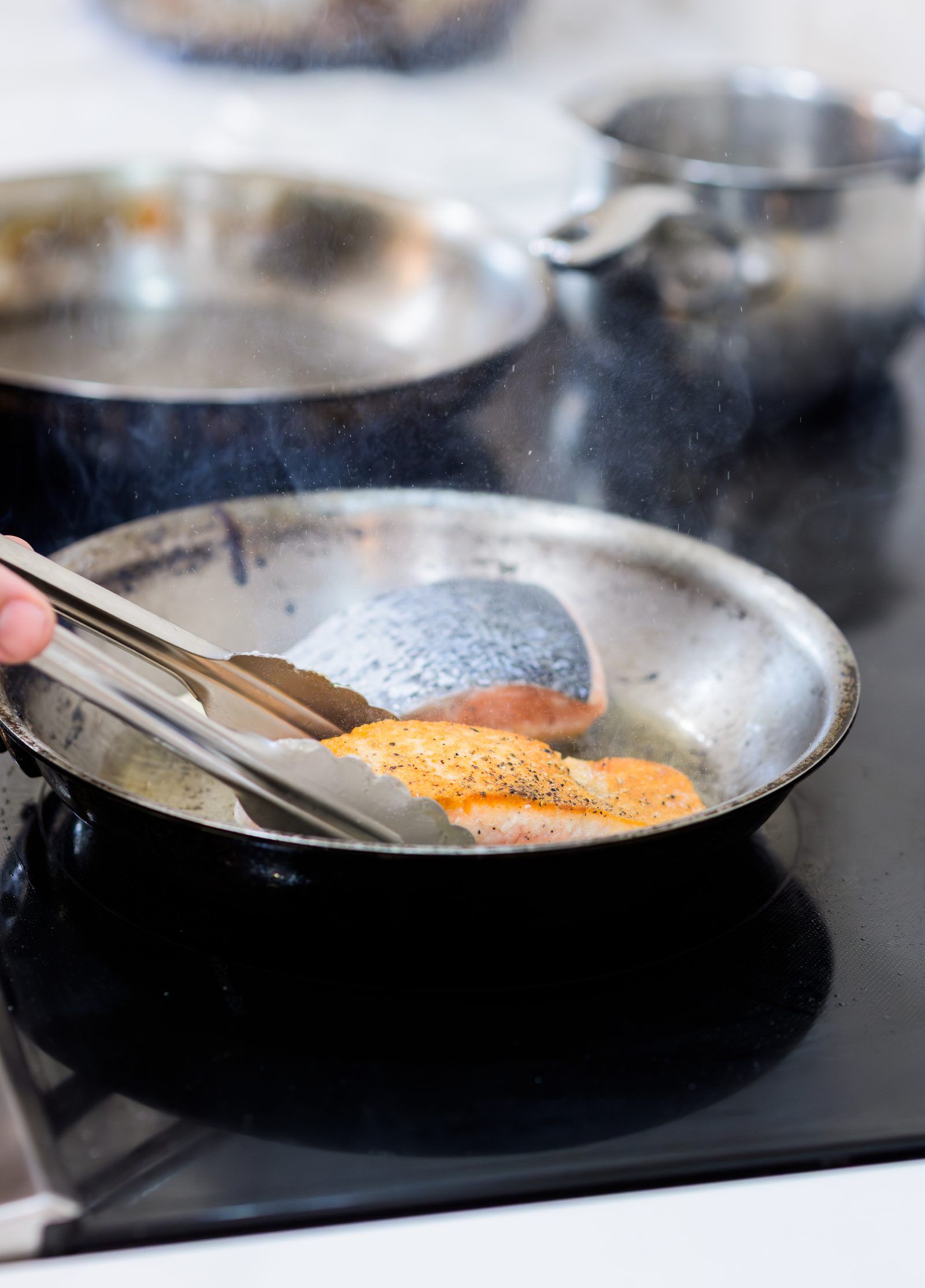
- Dinner: Salmon, herbed potatoes and green beans, with fruit for dessert.
This is an example, not a prescription. Your chef and, if you choose, one of our dietitians adapt it to your athlete.
Frequently asked questions
Does my young athlete need protein shakes or supplements?
Most young athletes can meet their needs with regular meals and snacks. Talk to your pediatrician before adding any supplement. Energy drinks are not recommended for kids and teens. Our approach is food first.
Can you cook for a multi-sport household with different schedules?
Yes. Your chef plans around everyone's calendar, so there is something ready whether a practice ends at five or at eight.
Can a private chef handle a young athlete's food allergy?
Yes. Your chef plans every menu around the allergy and follows careful steps to avoid cross-contact in your kitchen. For a serious allergy, we cook to the plan your child's allergist or pediatrician has given you. Read more about cooking for food allergies at home.
Will the same chef cook for us every visit?
Yes. Each A Perfect Fit chef cooks for just a few clients and is never rotated between them, so your chef learns your athlete's routine.
Fuel for the whole season
A Perfect Fit is a health-focused private chef service in St. Louis, Dallas, Houston, Nashville and Austin. For more on nutrition and performance, read Fueling Performance, then request a consultation to plan your family's season.
— A Perfect Fit Culinary Team