
GLP-1 (glucagon-like peptide-1) is a hormone your gut releases after you eat. It tells your brain you have had enough, slows how quickly your stomach empties and helps your body manage blood sugar. It is also the hormone that prescription GLP-1 medications are designed to imitate, which is why so many people now ask whether food can support it naturally.
The short answer: yes, what and how you eat influences your body's own GLP-1, but the effect is gentle. Food does not replicate a prescription medication, which works at much higher and longer-lasting levels. What food can do is help you feel satisfied sooner, stay full longer and keep your energy steadier through the day. These are the five habits our nutrition team builds into the menus our private chefs cook.
1. Lead every meal with protein
Protein is one of the strongest food signals for fullness, and it prompts the gut to release GLP-1 and other satiety hormones. Anchor each meal with a palm-sized portion: eggs, Greek yogurt, fish, poultry, lean beef, tofu, lentils or beans. Protein at breakfast matters most, because it sets the tone for the rest of the day.
2. Make fiber a daily habit
Fiber, especially the soluble kind found in oats, beans, lentils, chia, flax, vegetables and berries, is fermented by your gut bacteria into short-chain fatty acids. Those compounds help stimulate the cells that release GLP-1. Build fiber up gradually and drink water alongside it so your digestion has time to adjust.
3. Choose healthy fats
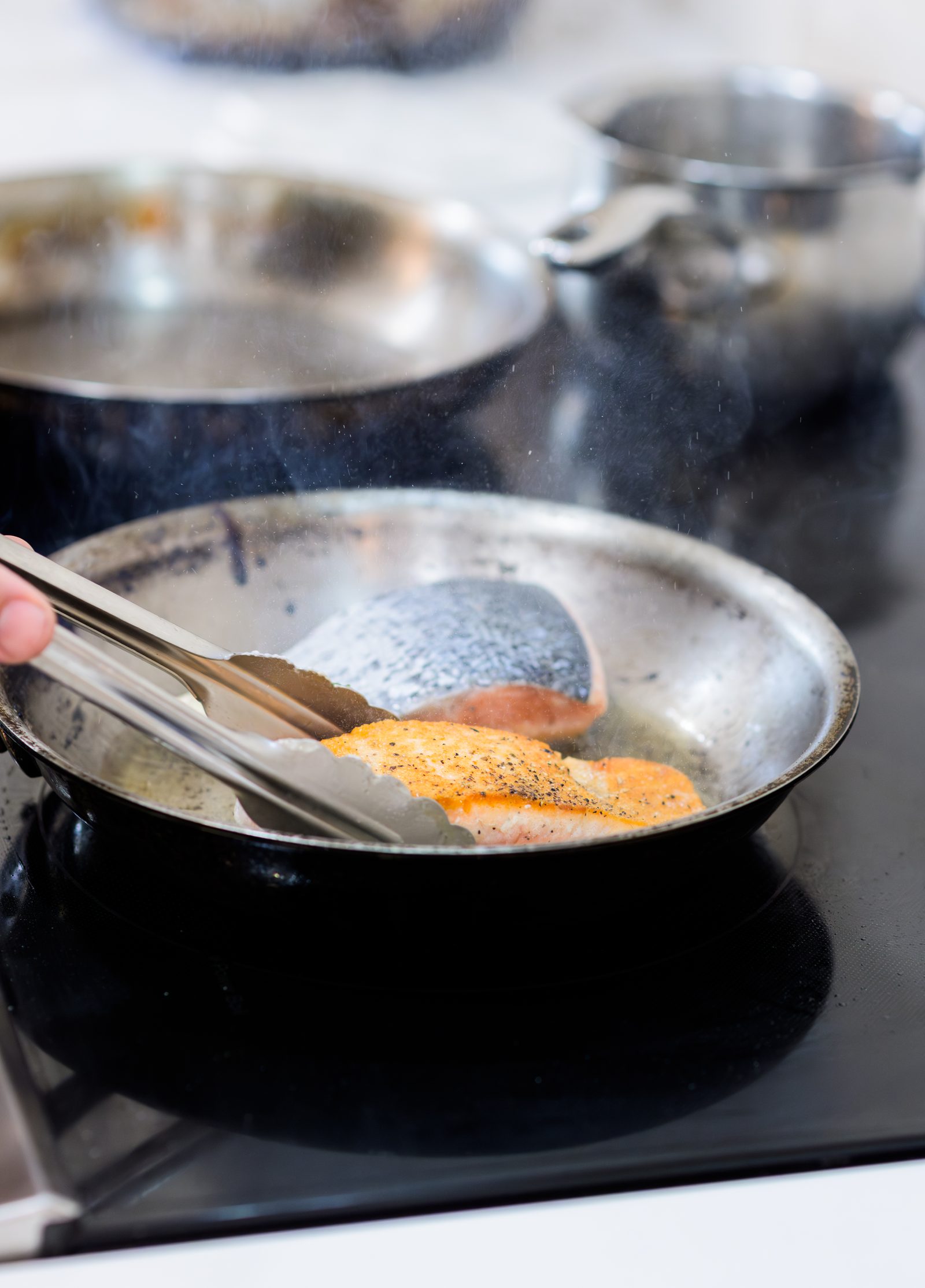
Monounsaturated and omega-3 fats, such as olive oil, avocado, nuts, seeds and salmon, slow digestion and support a longer, steadier fullness signal. A drizzle of olive oil over roasted vegetables or a handful of walnuts on a salad is enough.
4. Eat in the right order, and slowly
Studies of meal sequence suggest that eating vegetables and protein before starches leads to a gentler rise in blood sugar and a stronger GLP-1 response. Start with the salad or the vegetables, then the protein, then the grains or potatoes. Eating slowly, with smaller bites and fewer distractions, gives those hormones time to reach your brain.
5. Support the rhythm: fermented foods, movement and sleep
Fermented foods such as yogurt, kefir, kimchi and miso support a healthy gut, where GLP-1 is made. Regular movement, including strength training, improves how your body handles each meal. Consistent sleep and lower stress matter too, since both affect appetite hormones.
What a GLP-1-supportive plate looks like
None of this requires special products. It looks like good food, built with intention:
- Chorizo meatball breakfast bowls over roasted sweet potato and spinach, finished with an egg.
- A roasted chicken salad with dates, carrots, pumpkin seeds and goat cheese in a shallot-Dijon vinaigrette.
- Salmon with Dijon and whole-grain mustard over a silky cauliflower purée.
See more on our sample menu.
If you are taking a GLP-1 medication
On medication, the priorities shift. Appetite is lower, so every bite has to work harder: enough protein to protect muscle, smaller and more frequent meals, plenty of fluids, and gentle dishes on the days side effects flare. Medical nutrition groups also recommend pairing protein with strength training to preserve muscle. We cover how our registered dietitian and private chefs plan meals around GLP-1 medication on our GLP-1 private chef page.
Frequently asked questions
Is there a natural GLP-1?
Your body already makes its own GLP-1 every time you eat. No food or supplement is a natural version of a GLP-1 medication, but protein, fiber, healthy fats and meal order can support your natural release.
What foods increase GLP-1?
Protein-rich foods (eggs, Greek yogurt, fish, poultry, legumes), high-fiber foods (oats, beans, lentils, chia, vegetables), healthy fats (olive oil, avocado, nuts) and fermented foods (yogurt, kefir) are the most consistently linked to a stronger GLP-1 response.
Can I boost GLP-1 without medication?
You can support it. The effect is modest compared with medication, but the same habits also improve fullness, blood sugar and energy, so they are worth building either way.
Do natural GLP-1 boosters work as well as medication?
No. Prescription GLP-1 medications act far more strongly and for far longer than the hormone your body releases after a meal. Food-first habits complement medical care; they do not replace it.
This article is general education, not medical advice. Talk with your physician before changing your diet or any medication.
Put it on your table
Knowing what to eat is the easy part. Our registered dietitian designs a menu around your goals, and your private chef shops for it, cooks it in your kitchen and leaves everything stored and ready. Request a consultation to start.
— APF RD